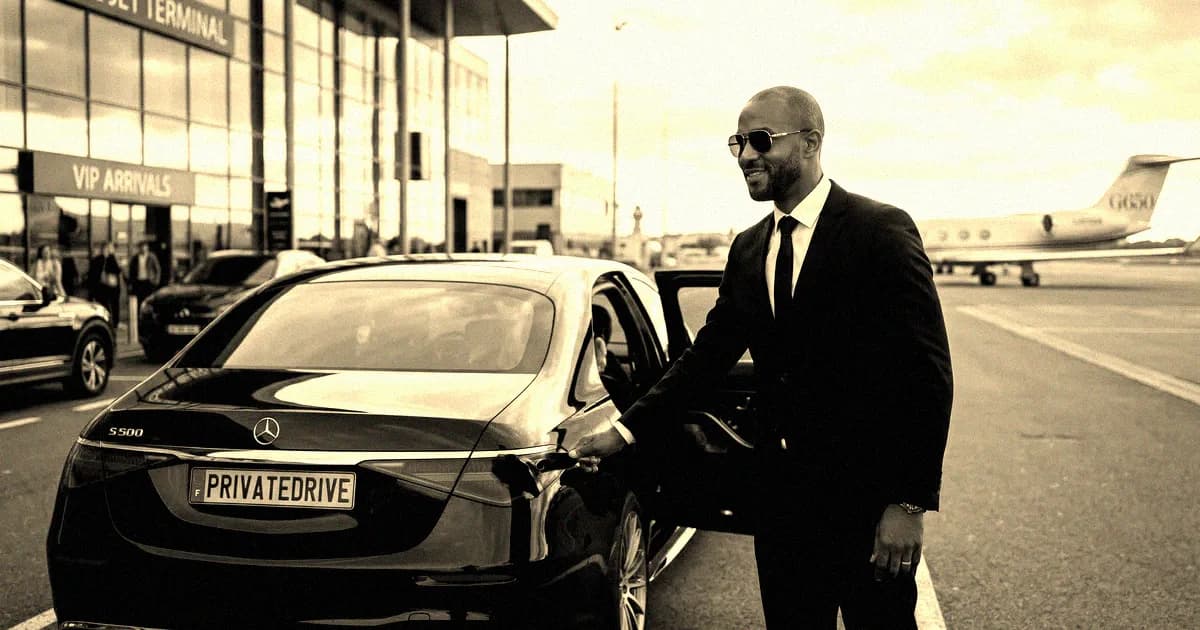
Gare de Lyon is not just a train station. It is one of Europe's great arrival points, the terminus for TGV services from Lyon, Marseille, Nice, Geneva, and Milan, and a connecting hub for passengers arriving from London on Eurostar via Lille. On any given weekday morning, between 40,000 and 50,000 passengers flow through its platforms. Many of them, particularly those arriving from abroad with luggage and a Paris hotel address, face the same decision as they emerge into the main hall under the iconic clock tower: now what?
The answer depends on your luggage, your schedule, and your tolerance for uncertainty.
Station layout: where you will emerge
Gare de Lyon has two levels of platforms. The upper level (Hall 1) handles mainline TGV and Intercités services. The lower level connects to the RER A and RER D suburban rail lines. Street exits open onto three distinct points:
- Boulevard Diderot (north side, official taxi rank)
- Rue de Bercy (south side, Bercy neighbourhood access)
- Place Louis-Armand (main forecourt, private vehicle pick-up zone)
A private chauffeur meeting you will be positioned at Place Louis-Armand or on Rue de Bercy depending on current traffic restrictions. Your booking confirmation specifies the exact meeting point. For passengers connecting from Eurostar at Gare du Nord before continuing south, the complete Gare du Nord transfer guide covers that inter-station leg in detail.
Official taxis: the queue you need to plan for
Cost: metered, no fixed rate for train station transfers. Central Paris destinations typically run €12 to 25; western and northwestern addresses (La Défense, Neuilly, Levallois) run €30 to 45.
Wait time: 5 to 20 minutes at the Boulevard Diderot rank under normal conditions. After a high-capacity TGV has discharged its passengers during the 07:00 to 09:30 or 17:00 to 20:00 windows, a 25 to 30 minute wait is not exceptional. G7 and Alpha Taxis offer advance booking that bypasses the rank at a marginal surcharge, useful if your arrival time is predictable. Drivers are not obligated to assist with luggage.
App-based rides: fast to book, complicated to find
Cost: €10 to 30 depending on destination and time of day. Surge pricing applies during peak TGV arrivals.
Wait time: 3 to 8 minutes in normal conditions, longer when drivers avoid the congested station perimeter during high-demand periods.
The booking is straightforward. The handoff is not. Gare de Lyon's street layout, multiple exits, shifting traffic restrictions, no dedicated rideshare bay, means app drivers frequently struggle to position correctly. A 5 to 10 minute exchange of messages while your driver circles is common. Add surge pricing during peak arrivals, and the apparent cost advantage over a private chauffeur narrows considerably.
RER and Métro: fastest for solo travellers with light bags
Fare: €2.50 per single ticket as of January 2026, covering all Métro and central-zone RER journeys.
From the lower level platforms, RER A reaches Châtelet to Les Halles in 3 minutes, connecting to RER B for CDG, RER D, and five Métro lines. Métro Line 1 gives direct access to the Champs-Élysées axis. And since June 2024, Métro Line 14's full extension now runs directly from Gare de Lyon to Orly Airport in approximately 22 minutes, bypassing the old OrlyVal route entirely. For travellers using Gare de Lyon as a transit point before an Orly departure, this changes the calculus significantly.
Worth noting for spring 2026: RATP has works affecting Line 14 between Gare de Lyon and Olympiades, with replacement buses in place for certain journeys. Check current service status before building this option into a tight connection.
The consistent caveat across all Métro options: stairs, escalators, crowded carriages at peak hour. A single carry-on is manageable. Two full-size suitcases is a liability for everyone around you.
| Destination | Taxi/Chauffeur off-peak | Taxi/Chauffeur peak | Métro |
|---|---|---|---|
| Le Marais (4th arr.) | 8 to 12 min | 15 to 25 min | 12 min (Line 1) |
| Saint-Germain (6th arr.) | 15 to 20 min | 25 to 40 min | 20 min (Line 4) |
| Champs-Élysées (8th arr.) | 20 to 28 min | 35 to 55 min | 22 min (Line 1) |
| Montmartre (18th arr.) | 25 to 35 min | 45 to 65 min | 28 min |
| La Défense | 30 to 40 min | 55 to 80 min | 30 min (RER A) |
| Roissy CDG (onwards) | 45 to 60 min | 70 to 90 min | 50 min (RER B from Châtelet) |
Private chauffeur meet and greet: no queue, no variables
Cost: from €130 for central Paris addresses, locked at booking. No surge, no luggage supplement, no waiting charge if your train is delayed.
Wait time: zero. Your driver is in position before your train arrives.
The operational difference is the sequence. With a private chauffeur, you step off the train and walk to a specific location rather than joining a queue or searching for a car. PrivateDrive positions drivers in Hall 1 near the Le Train Bleu restaurant entrance, holding a nameplate. Exact meeting point co-ordinates are sent with your booking confirmation.
PrivateDrive monitors your TGV number and adjusts pick-up time automatically if your service is delayed, a practical advantage on the Sud-Est corridor, where 10 to 30 minute delays are normal variability rather than exceptional events. The fixed pricing structure means what you paid at booking is what you pay at journey's end, regardless of traffic.
For executives managing back-to-back appointments across Paris arrondissements, the kind of day where the station transfer sets the tempo for everything that follows, the full guide to running a Paris executive roadshow covers the logistics in detail.
The traffic windows that change your calculation
Before 08:00: clear roads, fast journeys across all options.
08:00 to 10:00: rising congestion. The Boulevard Diderot taxi rank queue builds. A pre-booked pick-up from Place Louis-Armand bypasses it entirely.
10:00 to 16:00: variable but generally manageable, with a standard lunch-hour spike around 12:30 to 14:00.
17:00 to 20:00: peak congestion. Allow 40 to 60 minutes by road for cross-city journeys. Solo travellers with a single bag often find the Métro genuinely faster; private chauffeur remains the right call when luggage, group size, or a fixed arrival time is involved.
After 21:00: light traffic, rapid journeys. All options work well.
Onwards from Gare de Lyon: connecting to CDG or Orly
To CDG: private transfer runs 45 to 60 minutes, competitive off-peak and faster than the RER option when the A1 corridor is congested. Via public transport: RER A from Gare de Lyon to Châtelet (3 minutes), then RER B to CDG (45 minutes). Total approximately 50 to 60 minutes. Allow at minimum 90 minutes between TGV arrival and CDG check-in.
To Orly: Métro Line 14 direct from Gare de Lyon covers the journey in approximately 22 minutes, making it the fastest option in most conditions. For passengers arriving at the south-west terminal or connecting to destinations on the Left Bank, the Orly south-west terminal guide covers the options from the other end. Private transfer Gare de Lyon to Orly starts at €120, with PrivateDrive monitoring both the incoming TGV and the outbound flight.
Luggage storage: SNCF Bagages operates a consigne on the lower level (open 06:00 to 22:00, approximately €9 to 12 per bag per 24 hours), practical if hotel check-in is several hours after your arrival.
The right transfer is the one that fits your situation, not the cheapest option in isolation. For a solo traveller with a carry-on and no appointment, the Métro costs €2.50 and arrives in 12 minutes. For a team with four bags and a 10:00 meeting, a private chauffeur from €130 is not a premium, it is the only option that removes all variables from the equation.